GEO AquaWatch’s Andrew Tyler appointed Scotland Hydro Nation Chair!

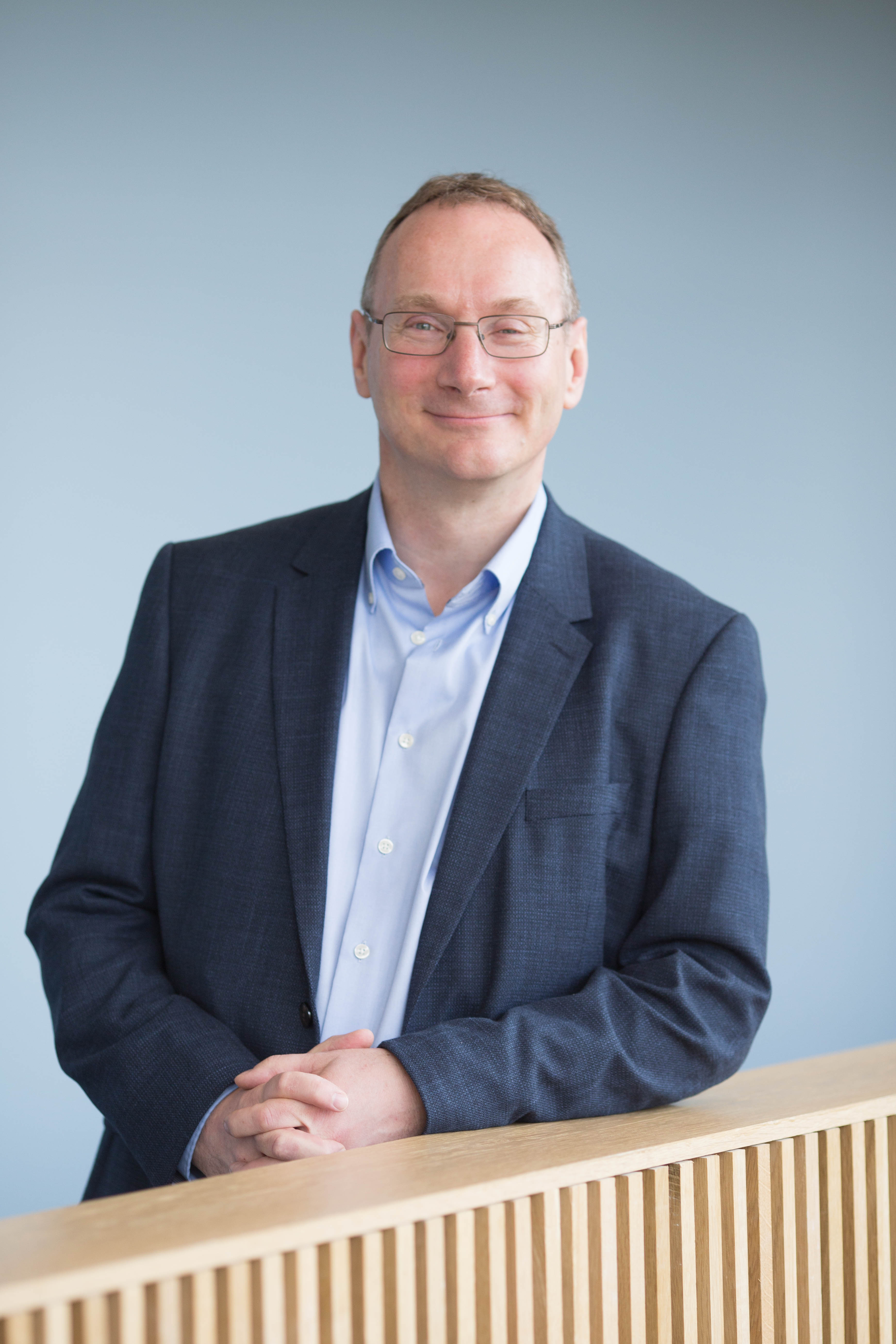
Andrew Tyler

GEO AquaWatch congratulates Management Team member and Working Group 5 Co-chair Dr. Andrew Tyler, University of Stirling on his new appointment as Scotland Hydro Nation Chair beginning in June!  He was also just elected as a Fellow of The Royal Society of Edinburgh, which recognises leading  experts from across the world for their outstanding achievement, professional standing and societal contribution.  Fellows inspire, engage, provide expertise and promote the society’s work  at a local, national or international level.

To learn more about Dr. Tyler and his new role we encourage you to visit University of Stirling’s press release here.
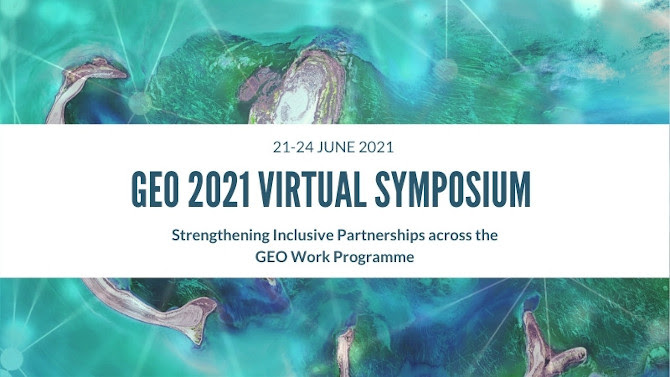
 

GEO 2021 Virtual Symposium June 21-24

We invite you to the GEO 2021 Virtual Symposium which will be held from 21 to 24 June 2021.

The theme of this year’s Symposium is Strengthening inclusive partnerships across the GEO Work Programme (GWP). The aim of the Symposium is to share successful practices and identify ways to accelerate the delivery of products and solutions to address environmental and societal challenges. Topics range from EO solutions for global policy agendas, to advances in EO data and technologies, to the development of the GWP community.

The Symposium will take the form of Plenary Sessions, Parallel Sessions and Spotlight Sessions. To encourage engagement across the entire GEO community and to allow speakers and audiences from all regions to participate, each day will begin at a different time.

Please mark the event in your calendar. You will receive more information on registration and how to participate in the coming weeks

NASA Sea-Level Change Team Webinar, April 28, 12pm EDT/4pm UTC

The COPRI Coastal Engineering Sciences Committee will host its second Technical Lunch and Learn Webinar in two weeks on Wednesday, April 28th (between noon and 1 PM EDT). Please join us and our speaker, Dr. Benjamin Hamlington (NASA), who will discuss “NASA Sea-Level Change Team: From Observation to Actionable Information”. More details including an abstract can be found below.

***Please note that if you don’t yet have an ASCE account you first have to create one (which is free) before registering; you should then receive a confirmation email when registration is complete. Login information for the Webinar will be shared closer to the event date with those who registered.***

  • Registration Link: https://collaborate.asce.org/events/event-description?CalendarEventKey=b693262f-a287-4116-872a-0d5f17b47a7f&CommunityKey=92ad0402-f1ea-4d9a-8bbf-075021af42b9&Home=%2fevents%2fempages%2fregistration%2facknowledgement
    • Link to Webinar provided after registration and closer to event date
  • Wednesday, April 28th
  • Noon to 1 pm ET
  • Lead Presenter: Dr. Benjamin Hamlington (NASA)
  • Title: NASA Sea-Level Change Team: From Observation to Actionable Information
  • Abstract:
    • The NASA Sea-Level Change Team (N-SLCT) was established in 2014 with the goal of improving the understanding of regional relative sea-level change on a range of timescales. The formation of this team was driven by the recognition that sea-level change results from a diverse set of physical processes that interact and combine in potentially complicated ways across a range of timescales. The N-SLCT relies heavily on NASA satellite observations in addition to reanalysis and modeling efforts to advance our understanding of sea-level change in the past, present, and future.
    • Now in its third iteration, a common goal of the team is to create integrated forecasts of sea-level across a range of timescales. Beyond the science focus of the team, the N-SLCT has broadened its scope in order to address the growing societal need for better sea-level guidance. The N-SLCT has taken tangible steps to engage the stakeholder community and create partnerships with the goal of providing “useful” sea-level information that is founded in the improved scientific understanding established by the team.
    • Here, an overview of the extent of the work being done by the N-SLCT is provided by discussing how the team is supporting sea-level decision-making. Specifically, the talk is structured around the flow of information from science to eventual application, covering the work the N-SLCT is doing in the following areas: 1) Observation, 2) Modeling and Analysis, 3) Synthesis, 4) Research-to-Application.